Table of contents
Online casino security is a topic of growing concern, especially as the popularity of digital gambling continues to rise. Understanding how licensing impacts the safety and integrity of these platforms is an essential step toward making informed decisions. Delve into the following sections to uncover the ways licensing shapes online casino security, discover the technical aspects involved, and equip yourself with the knowledge needed to navigate this ever-evolving landscape.
The role of regulatory bodies
Regulatory bodies play a pivotal part in shaping online casino safety by setting stringent security standards and overseeing the operations of gambling platforms. These organizations are responsible for establishing frameworks that govern how online casinos handle sensitive player data, manage financial transactions, and implement anti-fraud measures. Licensing authorities, such as the UK Gambling Commission or Malta Gaming Authority, require operators to undergo rigorous compliance audits, which examine every aspect of their services to ensure they meet established online casino safety protocols. This oversight guarantees that only those casinos demonstrating adherence to high security standards receive and maintain valid licenses.
Player protection is a fundamental outcome of the involvement of regulatory bodies, as these organizations monitor operator compliance through continuous evaluation and periodic reviews. Licensing authorities enforce accountability, investigating complaints and providing mechanisms for dispute resolution between players and operators. Their presence also assures players that the games offered are regularly tested for randomness and fairness, eliminating opportunities for manipulation. In this way, regulatory bodies not only set the benchmark for security standards, but also contribute to a safer and fairer gaming environment by holding licensed casinos to strict compliance obligations.
Security protocols enforced by licenses
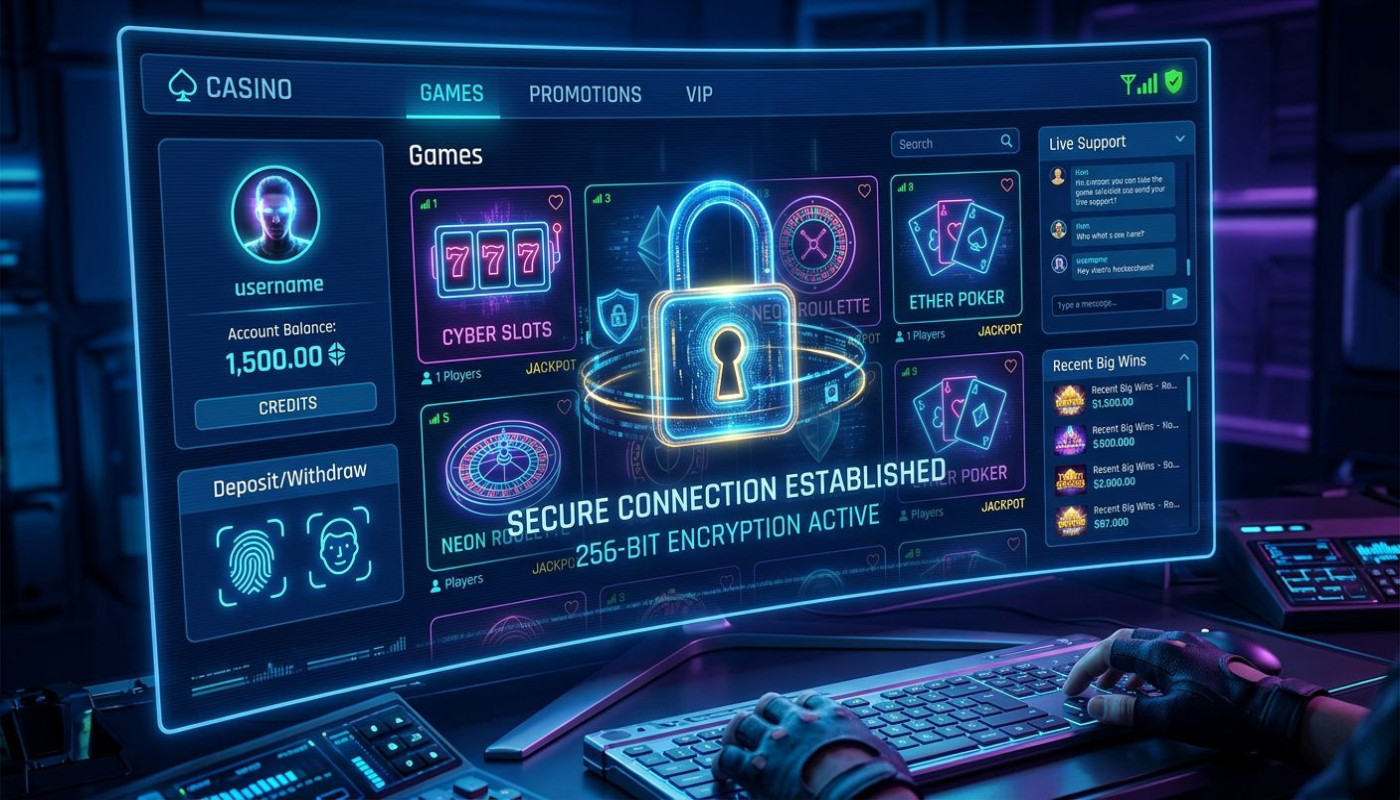
Licensed casinos are required to adhere to rigorous technical security protocols that play a pivotal role in maintaining online casino security. One of the foundational requirements is the implementation of an SSL encryption certificate, which encrypts all data exchanged between the user and the platform. This technology is at the heart of casino encryption, ensuring that sensitive information such as personal details and financial transactions is shielded from unauthorized access and cyber threats. In addition, licensed casinos must regularly update their encryption standards to counter evolving security risks, fostering a trusted gaming environment for all participants.
In contrast, unlicensed platforms often lack these regulated cybersecurity measures, making them vulnerable to data breaches and financial fraud. Without the mandatory SSL encryption certificate, unlicensed sites typically fail to deliver adequate data protection, leaving transaction details exposed to interception. This absence of robust security not only undermines secure transactions but also threatens the overall integrity of online gaming experiences. Regulatory authorities enforce strict audits and compliance checks on licensed casinos, compelling them to meet high standards of online casino security.
Technical safeguards mandated by licensing extend beyond encryption to include comprehensive security frameworks. These protocols encompass multi-factor authentication, intrusion detection systems, and regular vulnerability assessments. Such layered defenses are essential for ensuring the confidentiality and integrity of user data on licensed platforms. By requiring these advanced controls, regulators help mitigate risks associated with cyberattacks and unauthorized access, reinforcing the reputation and reliability of licensed casinos in the digital space.
Licensed casinos also benefit from ongoing monitoring and incident response requirements established by regulatory bodies. This continuous oversight guarantees that casino encryption measures and secure transactions processes remain current and effective against emerging threats. Users are thus provided with consistent data protection, contributing to a safer and more transparent gaming environment. The structured approach to cybersecurity, dictated by licensing authorities, creates a meaningful distinction between licensed and unlicensed casinos, directly impacting the security and trustworthiness of online casino operations.
Impact on fair gaming practices
Licensed operators are required to adhere to stringent fair gaming standards, with a primary focus on maintaining casino transparency and fostering trust among players. Licensing bodies mandate that all games offered by online casinos utilize certified Random Number Generators (RNGs), a process known as RNG certification. This ensures that game outcomes are genuinely random and not subject to manipulation. In addition, regular game audits are conducted by independent game auditors to verify the integrity of these RNGs and the fairness of all gaming activities. If a casino is found to be in violation of licensing agreements, such as failing an audit or using uncertified RNG software, it risks severe penalties including hefty fines, immediate suspension, or complete revocation of its license. These rigorous checks safeguard players, guaranteeing that licensed operators comply with high standards and that fair gaming practices are consistently upheld across the industry.
Consumer trust and dispute resolution
Licensing plays a pivotal role in fostering consumer trust within the online casino industry by mandating robust frameworks for dispute resolution and transparent complaint process protocols. Licensed casino operators are required to adhere to strict regulatory standards that prioritize player rights and introduce mechanisms like alternative dispute resolution (ADR). These mechanisms allow impartial third-party bodies to review disputes between players and casinos, ensuring fair outcomes and accountability. For players, the assurance that complaints can be independently assessed not only increases confidence in the platform but also deters misconduct from operators who might otherwise neglect customer concerns.
A transparent complaint process further strengthens trust, as licensed casinos must clearly outline steps for raising issues and seeking resolution. This level of oversight encourages responsible operator behavior and reassures players that their interests are protected, creating a safer and more reliable gaming environment. For example, Tykitys Casino exemplifies how adherence to licensing requirements enhances consumer trust by providing structured avenues for dispute resolution and ensuring every player has access to fair conflict mediation. In this way, the presence of regulatory safeguards serves as a powerful tool to uphold the rights of players and elevate industry standards.
International licensing challenges
International licensing introduces a complex landscape for online casinos, as each jurisdiction imposes its own set of standards, requirements, and enforcement protocols. These jurisdictional challenges are heightened by the fact that operators often serve players across multiple borders, making cross-border regulation a persistent obstacle. Without regulatory harmonization, the lack of uniformity in global casino security measures can create vulnerabilities that sophisticated actors may exploit. For instance, a casino licensed in a region with less stringent oversight may not adhere to the same rigorous player protection protocols as one regulated in a more robust jurisdiction, potentially putting player safety at risk.
Regulatory differences directly affect the integrity of global online gaming by creating inconsistencies in practices such as anti-money laundering (AML) procedures, data protection, and dispute resolution. This patchwork approach means that even if a casino is compliant in one country, it may fall short in another, resulting in loopholes that can undermine global casino security. Players may be exposed to varying degrees of risk depending on the licensing authority's commitment to enforcement, while operators face legal uncertainty and increased operational costs as they try to meet multiple, sometimes conflicting, standards.
The pursuit of regulatory harmonization remains one of the most significant challenges facing the industry. Efforts to align standards internationally could strengthen consumer protections and reduce the incidence of fraud, but achieving consensus among regulatory bodies is difficult due to differing national priorities and legal frameworks. As international licensing frameworks continue to evolve, stakeholders must navigate these jurisdictional challenges carefully to promote robust global casino security and maintain trust in the online gaming ecosystem.
Similar